Add Row
Add Element
cropper
update
Ultimate Home DIY
update
Add Element
  • Home
  • Categories
    • Home Hacks
    • Tool Tips
    • Green Living
    • Renovation
    • Fix It
    • Decor Dreams
    • Skill School
April 18.2025
3 Minutes Read

Unlocking the Mystery of USB Cables: Which Ones Are Right for You?

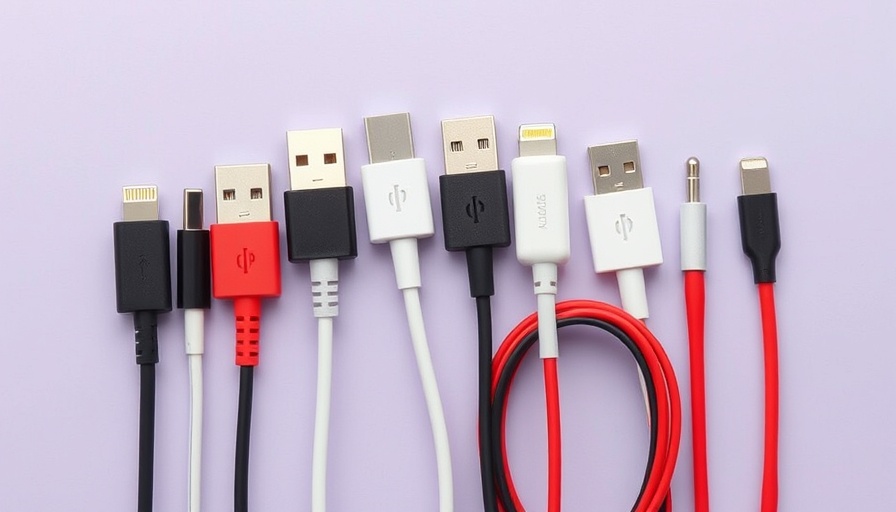
Assorted best USB cable types on pastel background

The Essential Guide to Understanding USB Cables

In today’s digital age, USB cables are integral to powering our devices and ensuring smooth data transfers. Yet, many homeowners and DIY enthusiasts remain puzzled by the various types available. From USB-A to USB-C, each has unique features and functionalities that cater to different devices and needs. Understanding these differences can not only simplify your life but enhance your tech experience.

Historical Context: The Evolution of USB Cables

USB technology has come a long way since its inception in the late 1990s. Originally designed to standardize connections among computers and peripherals, it has evolved significantly over the years. USB-A was the first widely adopted format, and despite its rectangular shape, it became the standard due to its versatility. However, as technology moved forward, the need for faster and more efficient connections led to the creation of various other types, including Micro-USB and USB-C.

Decisions You Can Make With This Information

Knowing the pros and cons of each USB cable type allows you to make informed purchasing decisions. For instance, if you are upgrading your tech, you might consider investing in USB-C cables, which support higher speeds and more functions compared to Micro-USB. This can be especially beneficial if you own devices that also support these faster protocols, potentially reducing the need for multiple types of cables.

Counterarguments and Diverse Perspectives

While USB-C is celebrated as the advanced choice for many users, not all devices are equipped to handle its capabilities. For example, if you own older electronics that only support USB-A or Micro-USB, transitioning to USB-C may not be practical. This highlights the importance of evaluating your specific needs, rather than simply following the latest trends in technology.

Unique Benefits of Knowing USB Cable Types

A clear understanding of USB cables can lead to a more organized living space, especially in a DIY environment where gadgets abound. Streamlining your cables not only enhances aesthetics but also improves functionality. By keeping only the necessary cables at hand, you can reduce clutter and make your workspace more efficient.

Practical Tips for Homeowners

When considering which USB cables to purchase, think about the following tips:

  • Assess Device Compatibility: Before buying new cables, check which type your devices require to avoid redundancy.
  • Go for Quality: Invest in reputable brands to ensure durability, especially for frequently used cables.
  • Label Your Cables: Keep your cables organized by labeling them according to their purpose or device type to save time.

Future Predictions: Where USB Technology is Heading

As technology continues to advance, the demand for faster, more versatile charging options will grow. USB-C is likely to dominate the future landscape due to its capacity to transmit both power and data at higher rates. Moreover, as more devices adopt this standard, it could lead to a more universal charger option, ultimately simplifying our tech lives.

In conclusion, having a grasp of USB cable types can greatly enhance your tech experience, helping you choose the right cables for your devices while tidying up your space. Consider evaluating your existing cords, and make informed choices moving forward.

If you're looking to further improve your home and tech setup, consider organizing your space with carefully selected tools and materials that complement your style and efficiency goals. Going beyond USB cables, think about sustainable living practices that support your overall well-being. It's time to embrace both organization and sustainability!

Home Hacks

5 Views

0 Comments

Write A Comment

*
*
Related Posts All Posts
01.17.2026

Verizon Outage Refunds: How to Claim Your $20 Credit Today

Update Understanding the Recent Verizon Outage On January 14, 2026, tens of thousands of Verizon customers across the U.S. found themselves unable to connect to their cellular network due to a widespread outage that affected both calls and texts. At the height of the disruption, approximately 178,000 users reported issues, with many devices displaying 'SOS' in place of regular service bars. Major cities, including New York City, Atlanta, Charlotte, and Houston, were hit hardest by this service interruption. This situation raised immediate concerns regarding its impact on emergency services, as officials in New York noted that the outage compromised some users' ability to call 911. Such incidents not only frustrate users but also touch on vital public safety concerns, leading some authorities to call for investigations into the nature and cause of the disruption. Why Did the Outage Occur? While the exact cause of the outage was initially vague, multiple reports have since indicated that it stemmed from a technical fault rather than a cyberattack. Verizon clarified that the outage did not arise from malicious activity and assured customers that they are investigating the matter. Users had to reboot their devices to regain service, indicating potential software issues impacting connectivity throughout the outage. Verizon's Response: $20 Account Credits In response to the inconvenience caused by the outage, Verizon offered affected customers a $20 credit to their accounts. While this credit is intended as a token of apology, many customers expressed frustration, categorizing the compensation as inadequate compared to the loss of service. Verizon spokespersons acknowledged that no amount of credit could fully compensate for the disruption, indicating a need for improved customer service strategies in such situations. How to Claim Your Credit For eligible customers, the process of claiming the credit is straightforward. Users will receive notifications via text message detailing how to access their $20 credit through the My Verizon app. This credit is meant to provide a form of relief, acknowledging that Verizon values the time and patience of its customers during this service disruption. Current Reactions and Future Implications The outage has prompted a range of reactions from the public and competitors alike. T-Mobile and AT&T seized the opportunity to remind potential customers about their own reliable service during this tumultuous event. At the same time, there are discussions about whether large corporations, like Verizon, should provide more competitive compensation in response to significant outages, reflecting a growing expectation for accountability in service delivery. Lessons Learned From the Verizon Outage This incident exemplifies why some users are reconsidering alternatives, such as landlines or multi-carrier strategies, to avoid total dependency on a single provider. The reliability of mobile networks has become paramount in our daily lives, and users want assurance that they won't be left without service during critical moments. Conclusion: What This Means for Verizon Customers As customers gear up to claim their $20 credits, they should also contemplate the significance of service reliability and what it means for their connection to the outside world—especially in emergencies. Transparency about service outages and their resolutions is vital in maintaining customer trust. For those affected, knowing how to navigate this post-outage landscape can provide some solace and a sense of agency in managing connectivity going forward. If you’re experiencing lingering issues or concerns following this outage, don’t hesitate to reach out to Verizon’s customer service for assistance.

01.15.2026

Discover How Smart Storage Shelves Can Transform Your Cluttered Home

Update The Post-Holiday Clutter Dilemma: What Just Happened? As the holiday season draws to a close, many homeowners find themselves facing an all-too-common post-holiday clutter nightmare. The aftermath of festive decorations, plentiful gifts, and seasonal knickknacks can leave our homes feeling entirely chaotic. A staggering number of new items—typically between 15 to 20—accumulate during this period, but few of us create additional storage space to manage it all. As a result, rooms that once felt spacious and serene are now overwhelmed with clutter, making it difficult to enjoy our spaces. This clutter isn’t simply a reflection of laziness; it's rooted in human psychology and the challenges of our modern lifestyles. We often opt for storage solutions like cabinets and bins, which can inhibit accessibility and ultimately create more clutter. Instead of hiding items away, the solution lies in visible organizational methods that utilize vertical space and offer quick access to our belongings. Smart Storage Solutions: The Case for Shelving Why shelving? Well, after analyzing various options, it becomes clear that shelving units outperform traditional cabinets and bins for several compelling reasons. First, they capitalize on the often-overlooked vertical space that can be utilized effectively. It’s estimated that most homes waste around 75% of their vertical space, which can result in a serious limitation on usable storage. Open shelving also enhances visual accessibility. Unlike cabinets, which create visual weight and can make areas feel congested, shelves allow you to see everything at a glance. This visibility increases the usage of items by a remarkable 50% while simultaneously cutting down on duplicate purchases by 35%. No longer will you rediscover forgotten hand soaps buried under a mountain of storage bins! Making Storage Work for You: Practical Steps To get your space organized, follow these actionable tips to create a more efficient living environment: Declutter First: Before addressing your storage solution, take some time to declutter your space. Consider items you haven’t used in the last year and evaluate which ones are worth keeping. Use the "Keep, Donate, Repair, and Recycle" method to streamline your belongings effectively. Invest in Smart Shelving: Choose open shelving units that match your home’s aesthetic. This not only adds functional storage but also contributes to the visual appeal of your space. By integrating shelves into kitchens, living rooms, and entryways, you can optimize the use of basic wall space. Label Everything: Label your storage bins or boxes for quick identification. Clear storage options improve overall visibility and make it easier to find items, reducing the time spent searching through clutter. Hub for Irregular Items: Holiday gifts can often come in odd shapes and sizes. Shelves offer the flexibility to accommodate these unique items, from decorative vases to cookbooks—creating functional organization without cramping your style. Sustainable Practices for a Clean Home Post-holiday organization is not just about cleanliness; it also provides an opportunity to adopt sustainable practices. As you sort through decorations and discard what you no longer need, consider donating them to local charities or community centers. This helps reduce waste and allows others to benefit from your surplus items. Moving forward, aim to be mindful about your purchases in the next holiday season. Opt for durable decorations and decorations with the potential for year-round use, reducing the overall need for storage. Simple decorations can transition well into other seasons, further emphasizing a sustainable lifestyle. The Emotional Benefit of an Organized Home An organized home goes beyond aesthetics—it contributes to our mental wellbeing. Clutter can often lead to feelings of anxiety and stress. By creating an organized environment through smart storage solutions, you’re actively fostering a sense of peace and control in your living space. The next time you step through your doorway, the tranquility of an organized home will greet you, instead of overwhelming chaos. Call to Action: Take Charge! With the right mindset and strategies, approaching your post-holiday clutter doesn't have to be a burden. Take charge of your home today—not just by tidying up, but by revolutionizing how you store and organize your belongings. Explore smart storage shelving options that will transform your space into a sanctuary of order and serenity. By acknowledging the stresses of the post-holiday mess and applying pragmatic organizational techniques, your home can emerge from this seasonal transformation not just intact but renewed. Don’t wait until next season to embrace a more organized lifestyle. Start today!

01.15.2026

Most-Recalled Car Brands of 2025: Safety Alerts You Must Know

Update Understanding the Recalls Landscape: Safety First When it comes to car safety, information is power. With the recent report from the National Highway Traffic Safety Administration (NHTSA) revealing that the automotive landscape had a staggering 445 recalls in 2025, understanding which brands had the most issues is crucial for both current owners and potential buyers. Among the recalls, Ford suffered the most significant blow, accounting for a whopping 153 recalls—more than the next four car brands combined. Why Ford Leads the Recall Charts Ford’s primary issues in 2025 revolved around electrical systems, with 27 recalls reported due to electrical failures alone. This underscores the importance of choosing a vehicle that has a proven track record in reliability. For homeowners who frequently transport families, opting for a dependable model can significantly reduce the anxiety associated with car troubles. Whether you are exploring sustainable living or simply trying to maintain a safe and efficient household, knowing the recall history of vehicles becomes a vital part of your decision-making process. What's Driving These Recalls? The diverse types of issues the various manufacturers face lead to an insightful analysis of current automotive trends. For instance, **back over prevention problems**, listed as a significant concern for Ford, should alarm home-centered families, particularly if children are regularly in or out of the vehicle. Safety features such as cameras and sensors designed to prevent collisions while reversing have become invaluable tools in enhancing family safety. The Recall Process and Its Safety Implications It’s also worth discussing the implications of recall processes on overall vehicle safety. Manufacturers are often obligated by law to inform owners of safety risks shortly after discovering them. In 2025, among the recalls, there were 19 that came with a “Do Not Drive” warning—these serious alerts indicate potential risks of flames or critical failures, emphasizing the necessity of staying informed about vehicle recalls. The experience of staying proactive in checking for recalls could easily translate into a more sustainable lifestyle choice: preventing waste by safely driving current vehicles instead of hastily disposing of them out of fear. Top Car Brands and Their Recall Statistics Taking stock of the other brands that faced significant recall issues provides a helpful guide: Chrysler: 53 recalls Forest River, Inc: 36 recalls General Motors: 28 recalls Volkswagen: 26 recalls International Motors: 26 recalls Honda: 24 recalls BMW: 23 recalls Hyundai: 21 recalls Mercedes-Benz: 21 recalls Altec Industries, Inc: 17 recalls Mack Trucks: 17 recalls This breakdown offers guidance for families considering a new purchase, not only to ensure safety but also to contribute to their budget and choice of vehicle that aligns with their family values and needs. Making Informed Decisions for Safety and Sustainability Education surrounding automobile safety and recalls can empower consumers to make choices that keep their families safer and their households running smoothly. By knowing which brands have had recurring issues, homeowners can not only protect their investments but also ensure a positive commuting experience for their families. Conclusion: Stay Informed and Safe As recalls become a common issue in the automotive industry, it’s essential for homeowners to stay abreast of these developments. By understanding the statistics and trends related to vehicle recalls, you can make comprehensive decisions that enhance family safety while considering the environmental impact of your vehicle choices. For a safer ride, always keep an eye on official resources like the NHTSA, and consider how the recalls may affect your car-buying decisions. Are you in the market for a new vehicle? Don't overlook the importance of researching recalls and safety alerts. Take proactive steps today to ensure that your next car is not only a fit for your lifestyle but also a safe choice for your family.

Terms of Service

Privacy Policy

Core Modal Title

Sorry, no results found

You Might Find These Articles Interesting

T
Please Check Your Email
We Will Be Following Up Shortly
*
*
*