Add Row
Add Element
cropper
update
Ultimate Home DIY
update
Add Element
  • Home
  • Categories
    • Home Hacks
    • Tool Tips
    • Green Living
    • Renovation
    • Fix It
    • Decor Dreams
    • Skill School
March 03.2025
3 Minutes Read

The Essential Guide to Mopping a Floor the Right Way

Mop and bucket on wooden floor demonstrating how to mop a floor correctly.

The Art of Mopping: Start with the Basics

Mopping isn’t just about wetting a floor and pushing dirt around. It requires a systematic approach to not only clean the surface but also to maintain the integrity of your flooring. Homeowners often overlook the importance of preparation, which begins with clearing the area of furniture and large obstacles. Just as you wouldn’t paint a canvas without a clear view, entering a mopping task without clearing the space leads to an ineffective clean.

Why Sweeping Matters Before Mopping

Many homeowners underestimate the necessity of sweeping before mopping. Dust, dirt, and debris clinging onto the surface can turn into a muddy mess once water is added. Sweeping is essential because it prevents this from occurring. A good rule of thumb is to treat mopping as a two-step process: first, sweep or vacuum the area to remove loose particles, and then mop to sanitize.

Choosing the Right Mop and Cleaning Solutions

When it comes to mopping, not all mops are created equal. Different flooring materials require different types of mops and cleaners. For instance, while laminate floors don’t appreciate excess water, a microfiber mop can beautifully clean hard surfaces without damaging them. Additionally, staying informed about the right cleaning solutions tailored for your floor type—whether it's vinyl, tile, or hardwood—is key. Avoid harsh chemicals that can damage your flooring and opt for pH-neutral or eco-friendly options instead.

Step-by-Step Guide to Mopping

Once you've prepared the space and chosen the right tools, here’s how to mop like a pro: Start from the farthest corner of the room, working backwards so you don't step on the freshly cleaned area. Use a back-and-forth motion or figure-eight strokes—this allows the mop to pick up dirt effectively without overlooking any spots. Don’t forget that using two buckets is not just a suggestion but a must: one for washing and another for rinsing. Regularly check both buckets, and replace their contents when they become murky. And most importantly, do a final rinse with clean water to ensure no detergent residue remains on your floors!

Common Mistakes Homeowners Make

While mopping seems straightforward, many make mistakes that could leave their floors looking worse than before. One of the most common errors is using a single bucket for both wash and rinse. This practice spreads dirt back onto the floor rather than removing it. Additionally, over-saturating your mop can lead to water pooling that seeps beneath floors, causing more harm than good. Always wring out the mop well before applying it to the floor.

Frequency of Mopping: How Often is Enough?

How often should you mop? High-traffic areas usually require mopping at least once a week—this includes kitchens, bathrooms, and hallways. Infrequently used spaces can typically be mopped bi-weekly or monthly but should still be vacuumed regularly. Even with this schedule, homeowners can often touch up floors easily in between deep cleans using a damp cloth or their mop for quick spills.

Conclusion and Call to Action

By grasping the nuances of mopping, homeowners can keep their floors sparkling clean and well-maintained. Remember that proper preparation, selection of tools, and methodical cleaning not only enhance the cleanliness of your home but also prolong the life of your floors. Ready to put these tips into action? Gather your supplies and dive into your next mopping project—your floors (and your family) will thank you!

Skill School

5 Views

0 Comments

Write A Comment

*
*
Related Posts All Posts
11.23.2025

6 Smart Strategies for Buyers: Consider Before Purchasing a Shed Kit

Update Understanding Your Shed's PurposeBefore diving into purchasing a shed kit, it's essential to clarify what you plan to use it for. Will it serve as a storage space for tools, a workshop for hobbies, or even a retreat for relaxation? Defining the shed's purpose helps tailor its design features — such as ventilation, shelving, and electricity accessibility — thus avoiding future inconveniences.Budgeting for Your ShedYour budget plays a crucial role in selecting the right shed kit. Shed prices vary significantly based on size, materials, and additional features. While a lower-priced kit might seem appealing, hidden costs for essential components (like flooring) can add up later. Consider investing a little extra upfront to ensure durability and functionality.Choosing the Right Size: Less is More?When it comes to size, bigger isn't always better. Consider the space you have available, local regulations, and your actual storage needs. A well-planned smaller shed can often serve the same purpose effectively, leaving you with more yard space for other activities or landscaping.The Importance of Building PermitsMany homeowners overlook the necessary permits required for constructing a shed. Even small backyard structures often require approval, especially if they exceed specific dimensions or are close to property lines. Failing to check zoning requirements can lead to fines or even removal orders, making it essential to consult local regulations before starting.Assistance with Assembly: DIY or Professional Help?Not all shed kits come with easy assembly instructions. If you're unfamiliar with power tools or construction basics, consider hiring a professional for installation. Those with DIY skills can save money by assembling kits themselves, but ensuring that the process is manageable is key.Exploring Materials: Durability Versus CostThe materials used in your shed can significantly affect its performance and longevity. While wooden sheds may offer aesthetic appeal, metal or plastic options can provide better resistance against weather and pests. Understanding the pros and cons of available materials ensures you choose wisely based on your specific climate and maintenance preferences.Future-Proofing: Planning for ExpansionIn the excitement of choosing the perfect shed, many overlook future needs. As your circumstances change, so might your storage requirements. It's wise to select a size and layout allowing for easy add-ons or expansion in the future, thus minimizing overall costs.Put thought into each of these components before making your purchasing decision. Ultimately, a shed can be a valuable addition to your property, but only if chosen wisely. By considering your purpose, budget, size requirements, necessary permits, assembly options, and material durability, you can make a well-informed decision that serves you for years to come.

11.19.2025

Is Your Driveway Showing Signs of Wear? Learn When to Replace It

Update The Lifespan of Your Driveway: Understanding the Signs A driveway is more than just a functional space; it plays a crucial role in enhancing your home's curb appeal and maintaining property value. In Michigan, harsh weather conditions, combined with wear from heavy vehicles, can significantly impact your driveway's condition over time. Key indicators exist to help homeowners discern whether repairs are sufficient or if a complete replacement is necessary. Spotting Cracks: When Small Problems Become Big Ones Small hairline cracks can be a normal part of concrete curing; however, persistent or widening cracks often signal deeper structural issues. These issues arise from soil movement, freeze-thaw cycles, or improper drainage pathways. Homeowners should be alert for cracks that keep reappearing even after repairs. An experienced concrete contractor can make a thorough assessment, determining whether resurfacing can resolve the issue or if replacement is the safer option. Drainage Issues: Why Puddles Matter Observing persistent puddles on your driveway after rainfall is not just an aesthetic concern; it could lead to significant problems, including foundation damage and soil erosion. A well-installed driveway should slope away from your home to redirect water. If pooling occurs frequently, it may indicate that your driveway has settled unevenly over time. In this case, consulting a professional can provide options for re-grading or repair, which also helps enhance the longevity of your driveway. Dealing with Spalling: What You Should Know Winter in Michigan is notoriously tough on concrete driveways. If you notice flaking, peeling, or spalling of the surface, repairs might only be a temporary fix if the damage has penetrated beneath the surface. This condition arises due to exposure to de-icing salts and rapid temperature fluctuations. Switching to air-entrained, high-strength concrete during a replacement can significantly mitigate future weather-related issues while extending the lifespan of your driveway. The Importance of Addressing Uneven Sections Driveways that sink or present uneven surfaces pose safety hazards, creating tripping risks. While localized leveling (mudjacking) might work for small patches, widespread sinking often indicates base failure, suggesting a complete replacement to secure safety and durability in the long run. Proper inspection for these underlying issues by a knowledgeable contractor is essential for maintaining your driveway's integrity. Enhancing Curb Appeal: When to Consider a Replacement Even if your driveway remains structurally sound, signs of fading, staining, or cracking can detract from your home's appeal. Opting for a modern design, such as stamped or colored concrete, can boost your property’s value. Aesthetic improvements not only update your home’s look but also provide a fresh foundation for enjoyable gatherings and family activities. Conclusion: Taking Action on Your Driveway’s Condition Replacing or repairing your driveway can be an overwhelming task, but recognizing the signs early can save you money in the long run. It’s vital to consult with qualified contractors in Michigan who understand the unique challenges posed by the state’s weather. These professionals can assess the extent of damage and recommend the best steps forward for your driveway. Don’t wait for problems to become severe—schedule an inspection today to ensure your driveway remains functional and attractive.

10.17.2025

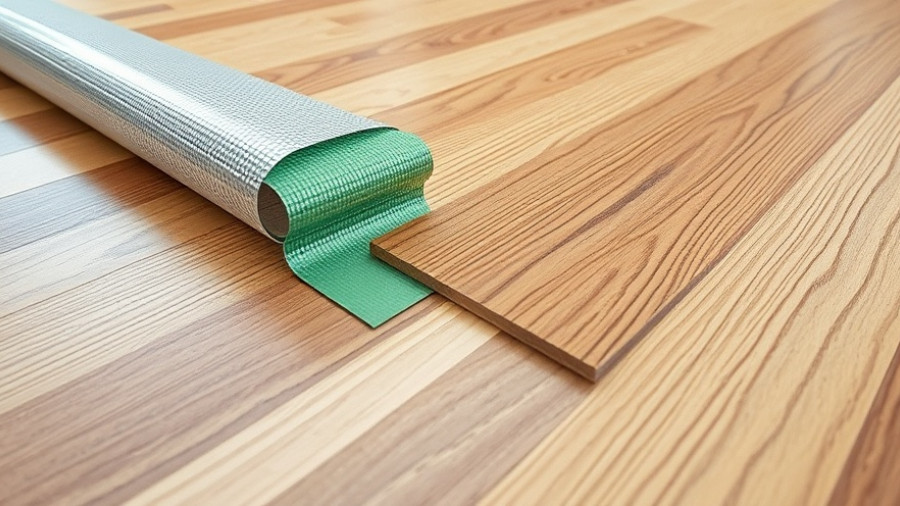
Maximize Your Hardwood Floors: Essential Underlayment Insights

Update Choosing the Right Hardwood Floor Underlayment: A Homeowner's Guide When embarking on a home renovation project, selecting the right underlayment for your hardwood flooring is crucial. It serves as the foundation, providing insulation, sound attenuation, and moisture protection. A well-chosen underlayment can ensure the longevity and comfort of your hardwood floors, making it a key element that should not be overlooked. Understanding Underlayment Basics Underlayment is a layer of material installed beneath your hardwood flooring, creating a smoother, more stable surface. It improves the overall performance of your flooring while offering benefits that range from sound reduction to insulation against temperature changes. Common materials include foam, felt, cork, and rubber, each catering to different needs and preferences. The Importance of Selecting the Right Type Making the right decision isn’t just about aesthetics; it’s about matching the underlayment to your specific needs. For instance, if you're laying flooring in a basement, moisture resistance is paramount. Foam underlayment with a built-in vapor barrier is beneficial here, while cork underlayment's natural antimicrobial properties make it ideal for humid areas. Top Picks for Hardwood Floor Underlayment Here’s a closer look at some popular underlayment options: TrafficMASTER Polyethylene Foam – This budget-friendly option is lightweight yet effective, providing flexibility and moisture barrier protection. Roberts AirGuard Floor Underlayment – Perfect for laminate, this material offers cushioning and durability without compromising on ease of installation. DUROCK Cement Backer Board – Ideal for tiles, it provides excellent moisture resistance while also smoothing out the subfloor underneath. Eco Cork Foam Premium Underlayment – Its waterproof and antimicrobial properties make it an ideal choice for high-traffic areas. DMX 1 Step 2.0 – Designed specifically for vinyl, this option fights moisture with an effective setup for various floor types. How Underlayment Affects Comfort and Performance Quality underlayment significantly enhances the comfort of your flooring. It softens the hard surface underfoot, making walking a much more pleasant experience. This cushioning effect is especially welcome in busy family areas where foot traffic is high. Additionally, underlayment can play a vital role in soundproofing, which is essential in multi-story homes. Cost Considerations for Different Underlayment Options The costs of underlayment vary widely based on material and thickness, ranging anywhere from $0.30 to over $2.50 per square foot. While it may be tempting to choose a cheaper option, investing in quality underlayment can save you money in the long run by preventing repairs due to moisture damage or wear and tear. Remember, the investment in underlayment is often a fraction of the total flooring cost, making it an essential element of any flooring project. Installation Tips for Success Proper installation of underlayment can vastly affect the performance of your hardwood floors. Ensure that the subfloor is clean and dry before laying the underlayment. Following the manufacturer's instructions regarding thickness and compatibility with your specific flooring product is crucial. Additionally, be mindful of local moisture levels, as different climates might dictate different approaches to underlayment installation. Conclusion: Take Action for Lasting Results In summary, investing in the right hardwood floor underlayment is essential for ensuring long-lasting comfort and performance. The benefits are manifold— from sound reduction to moisture control. Whether you're a DIY enthusiast or a seasoned professional, understanding these elements can dramatically enhance the quality of your home environment. So, make informed decisions and choose the underlayment that’s right for you to enjoy beautiful floors for years to come. Ready to enhance your home? Start exploring your hardwood floor options today!

Terms of Service

Privacy Policy

Core Modal Title

Sorry, no results found

You Might Find These Articles Interesting

T
Please Check Your Email
We Will Be Following Up Shortly
*
*
*