Add Row
Add Element
cropper
update
Ultimate Home DIY
update
Add Element
  • Home
  • Categories
    • Home Hacks
    • Tool Tips
    • Green Living
    • Renovation
    • Fix It
    • Decor Dreams
    • Skill School
March 15.2025
3 Minutes Read

Choosing the Right Features for Your Kitchen Remodel: A Homeowner's Guide

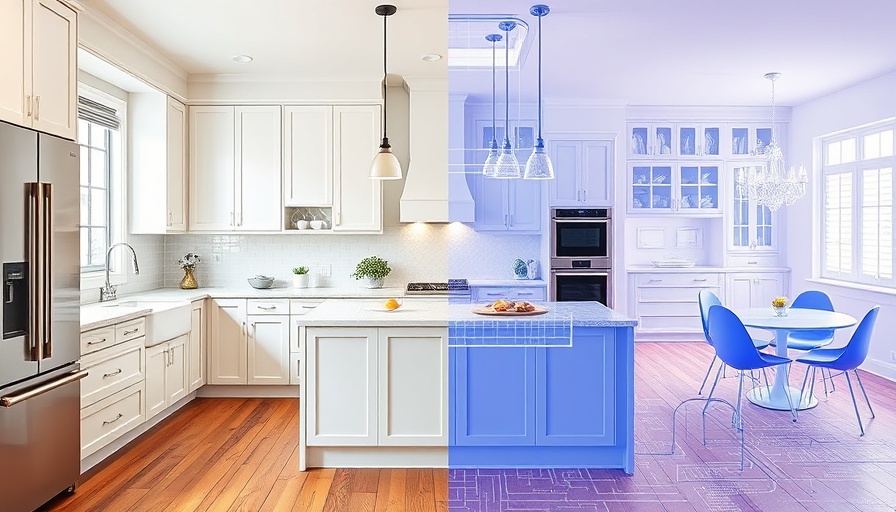
Modern kitchen design juxtaposed with blueprint, illustrating the right features for kitchen remodel.

Understanding Your Kitchen Needs: Why Functionality Matters

A kitchen remodel is an exciting journey that marries aesthetics with functionality. Any homeowner knows that the kitchen is the heart of the home, where meals transform into memories. Therefore, when planning a remodel, evaluating your family's needs and routines is crucial.

Consider features that enhance your cooking experience, such as a spacious island to prepare meals or a cozy nook for family gatherings. Carefully selected features not only elevate your kitchen's appearance but also improve the overall flow and accessibility of the space. According to industry experts, including designer Kerrie Kelly, multi-functional islands can significantly enhance usability.

Choosing the Right Style for Your Dream Kitchen

Defining your style is essential before diving into the selection of features. Are you drawn to modern minimalism with sleek finishes, or do you prefer the warmth of a cozy farmhouse look? Aligning your visions with practical elements is key.

Timeless designs like traditional or transitional styles offer durability, allowing you to adjust your color palette easily without extensive changes. In contrast, bold modern designs bring in dramatic statements about personality, favoring materials like stainless steel and matte black finishes. As you weigh your options, it can also be beneficial to look at popular features like pull-out drawers and integrated appliances, ensuring they fit seamlessly into your design.

Must-Have Kitchen Features for the Modern Home

Once your desired style is clear, it’s time to consider essential kitchen features that can transform your space into an efficient hub. Here are some key elements to consider:

  • Smart Appliances: Investing in smart technology enhances convenience—think ovens that can be controlled from your smartphone or fridges that can create grocery lists.
  • Kitchen Island: Not only does it provide extra counter space, but it can also house additional sinks or cooktops.
  • Pull-Out Drawers: Ensure accessibility, especially for family members of all ages, by installing pull-out drawers that keep essential items front and center.
  • Wine Refrigerator: Elevate entertaining by incorporating a wine fridge that keeps your collection at optimal temperatures and adds a touch of sophistication to your kitchen.
  • Walk-In Pantry: A walk-in pantry guarantees your kitchen remains organized, providing ample space for groceries and supplies without cluttering the main cooking area.

Trends in Kitchen Design: What's New and What's Timeless

As styles evolve, homeowners should keep an eye on contemporary trends shaping kitchen spaces. For instance, traditional materials like wood are often paired with modern technology, creating an inviting yet functional atmosphere. Unique backsplashes have gained popularity, offering a way for homeowners to express their personality through design. Ceramic tiles, for instance, are trending due to their durability and aesthetic appeal.

In addition, practical features like in-counter outlets and deep shelving are becoming must-haves as they provide both style and easy access to necessary items. These features enhance usability while maintaining a clean look, ensuring your kitchen remains the functional centerpiece of your home.

Common Misconceptions About Kitchen Remodeling

An enduring myth in kitchen remodeling is that choosing trendy features guarantees a stunning space. However, timeless design elements often yield more satisfaction in the long run. Trends often fade, but functionality remains paramount. When selecting features, prioritize those that match your lifestyle and needs rather than what is currently 'in fashion'.

Moreover, many believe that a kitchen remodel requires a significant budget to yield value. In reality, incorporating smart storage solutions like narrow pull-out drawers or a coffee bar can drastically improve both functionality and ambiance without breaking the bank.

Embracing Your Unique Style While Enhancing Value

Ultimately, a kitchen remodel isn’t solely about aesthetics; it’s an investment that increases your home's value. Features like custom cabinetry and innovative storage options not only reflect your personality but also cater to practical needs, enhancing your lifestyle.

Incorporating the elements that truly matter to you will result in a space that is comfortable, inviting, and uniquely yours. As you embark on this journey, remember that your kitchen should not only be beautiful but also a functional space where you create lasting memories.

Call to Action: Start Planning Your Dream Kitchen Today!

Whether you’re interested in major renovations or small updates, take action today and start defining your kitchen remodel. Invest the time to explore style options and features that speak to your needs, and transform your space into your dream kitchen.

Skill School

4 Views

0 Comments

Write A Comment

*
*
Related Posts All Posts
11.23.2025

6 Smart Strategies for Buyers: Consider Before Purchasing a Shed Kit

Update Understanding Your Shed's PurposeBefore diving into purchasing a shed kit, it's essential to clarify what you plan to use it for. Will it serve as a storage space for tools, a workshop for hobbies, or even a retreat for relaxation? Defining the shed's purpose helps tailor its design features — such as ventilation, shelving, and electricity accessibility — thus avoiding future inconveniences.Budgeting for Your ShedYour budget plays a crucial role in selecting the right shed kit. Shed prices vary significantly based on size, materials, and additional features. While a lower-priced kit might seem appealing, hidden costs for essential components (like flooring) can add up later. Consider investing a little extra upfront to ensure durability and functionality.Choosing the Right Size: Less is More?When it comes to size, bigger isn't always better. Consider the space you have available, local regulations, and your actual storage needs. A well-planned smaller shed can often serve the same purpose effectively, leaving you with more yard space for other activities or landscaping.The Importance of Building PermitsMany homeowners overlook the necessary permits required for constructing a shed. Even small backyard structures often require approval, especially if they exceed specific dimensions or are close to property lines. Failing to check zoning requirements can lead to fines or even removal orders, making it essential to consult local regulations before starting.Assistance with Assembly: DIY or Professional Help?Not all shed kits come with easy assembly instructions. If you're unfamiliar with power tools or construction basics, consider hiring a professional for installation. Those with DIY skills can save money by assembling kits themselves, but ensuring that the process is manageable is key.Exploring Materials: Durability Versus CostThe materials used in your shed can significantly affect its performance and longevity. While wooden sheds may offer aesthetic appeal, metal or plastic options can provide better resistance against weather and pests. Understanding the pros and cons of available materials ensures you choose wisely based on your specific climate and maintenance preferences.Future-Proofing: Planning for ExpansionIn the excitement of choosing the perfect shed, many overlook future needs. As your circumstances change, so might your storage requirements. It's wise to select a size and layout allowing for easy add-ons or expansion in the future, thus minimizing overall costs.Put thought into each of these components before making your purchasing decision. Ultimately, a shed can be a valuable addition to your property, but only if chosen wisely. By considering your purpose, budget, size requirements, necessary permits, assembly options, and material durability, you can make a well-informed decision that serves you for years to come.

11.19.2025

Is Your Driveway Showing Signs of Wear? Learn When to Replace It

Update The Lifespan of Your Driveway: Understanding the Signs A driveway is more than just a functional space; it plays a crucial role in enhancing your home's curb appeal and maintaining property value. In Michigan, harsh weather conditions, combined with wear from heavy vehicles, can significantly impact your driveway's condition over time. Key indicators exist to help homeowners discern whether repairs are sufficient or if a complete replacement is necessary. Spotting Cracks: When Small Problems Become Big Ones Small hairline cracks can be a normal part of concrete curing; however, persistent or widening cracks often signal deeper structural issues. These issues arise from soil movement, freeze-thaw cycles, or improper drainage pathways. Homeowners should be alert for cracks that keep reappearing even after repairs. An experienced concrete contractor can make a thorough assessment, determining whether resurfacing can resolve the issue or if replacement is the safer option. Drainage Issues: Why Puddles Matter Observing persistent puddles on your driveway after rainfall is not just an aesthetic concern; it could lead to significant problems, including foundation damage and soil erosion. A well-installed driveway should slope away from your home to redirect water. If pooling occurs frequently, it may indicate that your driveway has settled unevenly over time. In this case, consulting a professional can provide options for re-grading or repair, which also helps enhance the longevity of your driveway. Dealing with Spalling: What You Should Know Winter in Michigan is notoriously tough on concrete driveways. If you notice flaking, peeling, or spalling of the surface, repairs might only be a temporary fix if the damage has penetrated beneath the surface. This condition arises due to exposure to de-icing salts and rapid temperature fluctuations. Switching to air-entrained, high-strength concrete during a replacement can significantly mitigate future weather-related issues while extending the lifespan of your driveway. The Importance of Addressing Uneven Sections Driveways that sink or present uneven surfaces pose safety hazards, creating tripping risks. While localized leveling (mudjacking) might work for small patches, widespread sinking often indicates base failure, suggesting a complete replacement to secure safety and durability in the long run. Proper inspection for these underlying issues by a knowledgeable contractor is essential for maintaining your driveway's integrity. Enhancing Curb Appeal: When to Consider a Replacement Even if your driveway remains structurally sound, signs of fading, staining, or cracking can detract from your home's appeal. Opting for a modern design, such as stamped or colored concrete, can boost your property’s value. Aesthetic improvements not only update your home’s look but also provide a fresh foundation for enjoyable gatherings and family activities. Conclusion: Taking Action on Your Driveway’s Condition Replacing or repairing your driveway can be an overwhelming task, but recognizing the signs early can save you money in the long run. It’s vital to consult with qualified contractors in Michigan who understand the unique challenges posed by the state’s weather. These professionals can assess the extent of damage and recommend the best steps forward for your driveway. Don’t wait for problems to become severe—schedule an inspection today to ensure your driveway remains functional and attractive.

10.17.2025

Maximize Your Hardwood Floors: Essential Underlayment Insights

Update Choosing the Right Hardwood Floor Underlayment: A Homeowner's Guide When embarking on a home renovation project, selecting the right underlayment for your hardwood flooring is crucial. It serves as the foundation, providing insulation, sound attenuation, and moisture protection. A well-chosen underlayment can ensure the longevity and comfort of your hardwood floors, making it a key element that should not be overlooked. Understanding Underlayment Basics Underlayment is a layer of material installed beneath your hardwood flooring, creating a smoother, more stable surface. It improves the overall performance of your flooring while offering benefits that range from sound reduction to insulation against temperature changes. Common materials include foam, felt, cork, and rubber, each catering to different needs and preferences. The Importance of Selecting the Right Type Making the right decision isn’t just about aesthetics; it’s about matching the underlayment to your specific needs. For instance, if you're laying flooring in a basement, moisture resistance is paramount. Foam underlayment with a built-in vapor barrier is beneficial here, while cork underlayment's natural antimicrobial properties make it ideal for humid areas. Top Picks for Hardwood Floor Underlayment Here’s a closer look at some popular underlayment options: TrafficMASTER Polyethylene Foam – This budget-friendly option is lightweight yet effective, providing flexibility and moisture barrier protection. Roberts AirGuard Floor Underlayment – Perfect for laminate, this material offers cushioning and durability without compromising on ease of installation. DUROCK Cement Backer Board – Ideal for tiles, it provides excellent moisture resistance while also smoothing out the subfloor underneath. Eco Cork Foam Premium Underlayment – Its waterproof and antimicrobial properties make it an ideal choice for high-traffic areas. DMX 1 Step 2.0 – Designed specifically for vinyl, this option fights moisture with an effective setup for various floor types. How Underlayment Affects Comfort and Performance Quality underlayment significantly enhances the comfort of your flooring. It softens the hard surface underfoot, making walking a much more pleasant experience. This cushioning effect is especially welcome in busy family areas where foot traffic is high. Additionally, underlayment can play a vital role in soundproofing, which is essential in multi-story homes. Cost Considerations for Different Underlayment Options The costs of underlayment vary widely based on material and thickness, ranging anywhere from $0.30 to over $2.50 per square foot. While it may be tempting to choose a cheaper option, investing in quality underlayment can save you money in the long run by preventing repairs due to moisture damage or wear and tear. Remember, the investment in underlayment is often a fraction of the total flooring cost, making it an essential element of any flooring project. Installation Tips for Success Proper installation of underlayment can vastly affect the performance of your hardwood floors. Ensure that the subfloor is clean and dry before laying the underlayment. Following the manufacturer's instructions regarding thickness and compatibility with your specific flooring product is crucial. Additionally, be mindful of local moisture levels, as different climates might dictate different approaches to underlayment installation. Conclusion: Take Action for Lasting Results In summary, investing in the right hardwood floor underlayment is essential for ensuring long-lasting comfort and performance. The benefits are manifold— from sound reduction to moisture control. Whether you're a DIY enthusiast or a seasoned professional, understanding these elements can dramatically enhance the quality of your home environment. So, make informed decisions and choose the underlayment that’s right for you to enjoy beautiful floors for years to come. Ready to enhance your home? Start exploring your hardwood floor options today!

Terms of Service

Privacy Policy

Core Modal Title

Sorry, no results found

You Might Find These Articles Interesting

T
Please Check Your Email
We Will Be Following Up Shortly
*
*
*